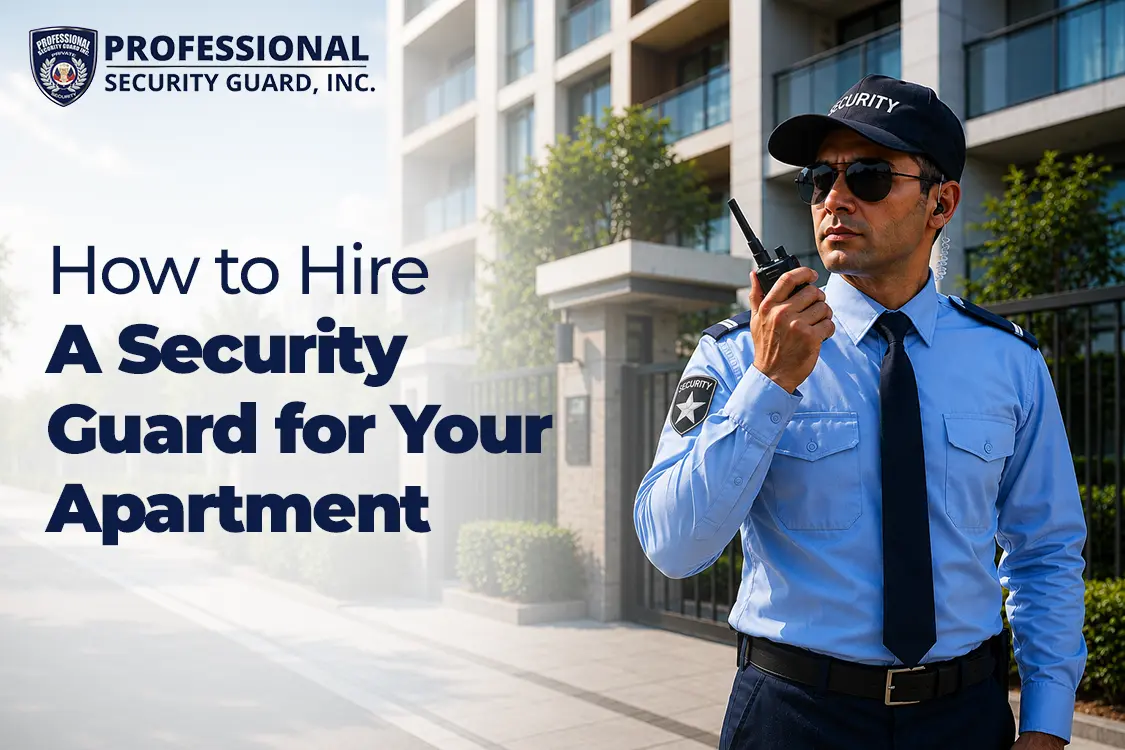
Every property board eventually hits that point where package pileups tailgating strangers and midnight noise complaints turn from minor annoyances into genuine safety concerns. Standard locks rarely solve these issues once a building grows beyond a few units. National Crime Prevention Council statistics reveal apartments face an eighty five percent higher burglary likelihood compared to single family homes largely because multiple entryways invite unauthorized access. Finding a reliable Professional Security Guard becomes less about filling a desk and more about establishing actual oversight. Here is what we have learned over years of managing residential access site patrols and onsite coverage.
Realizing Why a Security Guard for Apartment Communities Matters
Walk around any multi family residential building around six in he evening. You will notice delivery drivers blocking corridor gates left unlatched and guests slipping inside right behind residents. Industry data shows package theft affects forty three percent of apartment dwellers every year. Locks and passive camera setups capture events after damage occurs yet real prevention requires active human presence.
When building managers consult us about recurring incidents we usually discover the problem lies in inconsistent coverage rather than a total lack of surveillance. Security personnel need to blend hospitality with firm boundary enforcement. A guard stationed in a main lobby ought to recognize familiar faces, monitor visitor logs and address open access points before trouble starts.
Watching a busy lobby during peak hours reveals how easily small lapses compound. Someone holds a door open out of politeness and suddenly three unverified visitors are wandering hallway floors. Cameras record that moment but cameras cannot ask someone who they are visiting or double check a delivery code. That human filter makes the difference.
Common Blind Spots When Choosing a Security Guard for Apartment Entryways
Most property owners assume placing someone at the front desk handles building safety. Entryways are only part of the equation. Parking garages, side stairwells and rear alleyways often remain unmonitored. Burglars actively look for these isolated gaps.
In our work across residential properties we frequently see buildings hire personnel without setting clear patrol routes. Guarding requires clear movement patterns so potential trespassers never predict when a patrol happens. A well designed security plan links lobby check ins with scheduled perimeter sweeps. That balance keeps residents feeling comfortable while making unauthorized entry difficult.
Courtyards and laundry rooms present another common oversight. People assume internal doors remain secure forgetting that residents occasionally leave keys with friends or leave emergency exits propped open on humid afternoons. Periodic checks of utility areas storage lockers and secondary gates block the easy routes unauthorized visitors rely upon.
Why Off Duty Protocol Shapes Every Security Guard for Apartment Roster
Incident response breaks down quickly without written operational guidelines. What happens when a pipe bursts on the fourth floor at two in the morning? What if an uninvited visitor refuses to leave the courtyard? Without clear protocols personnel either overreact or ignore developing problems entirely.
We always advise building committees to map out specific escalation paths before signing contracts. Outlining exact steps for noise complaints, emergency services contact and access log verification transforms basic supervision into real protection. When expectations stay clear site officers handle unexpected situations calmly and professionally.
Written protocols also prevent misunderstandings between tenants and safety personnel. When residents know the rules regarding parking enforcement, quiet hours and guest registration friction drops significantly. Guards follow established guidelines rather than making improvised decisions on the spot creating a consistent environment throughout the property.
Balancing Quality and Budget for a Security Guard for Apartment Complex Needs
Budget discussions often dominate board meetings, sometimes overshadowing actual protection needs. Evaluating a security guard cost requires looking beyond hourly rates. Cheaper contracts frequently mean high staff turnover, minimal background verification and inadequate site training.
Over the years at Pro Security we have observed that property managers who focus solely on low rates end up spending more on turnover headaches and unresolved safety claims. Our client partnerships show that investing in properly trained well vetted residential officers drastically reduces incident reports while improving tenant retention over time. A stable team that knows the community saves money over time.
High turnover damages community trust faster than almost anything else. When residents see a new face at the desk every week they stop reporting small issues and guards never learn the normal daily rhythms of the property. Familiarity builds security as experienced officers quickly spot out of place behavior that a temporary replacement would miss.
How On Site Duties Define a Security Guard for Apartment Shifts
Every residential complex operates differently. A high rise tower needs strict access logging and elevator monitoring while a spread out complex demands regular vehicle or foot patrols across parking grounds. Defining daily shift duties keeps personnel focused on actual risk areas.
Site officers should handle log books, inspect emergency exits, monitor surveillance feeds and maintain a visible presence during peak hours. When daily tasks match property vulnerabilities security officers become a seamless part of the residential experience rather than an awkward distraction.
Reviewing daily shift reports helps board members spot long term patterns across the community. Tracking recurring issues like broken gate latches frequent parking violations or poorly lit stairwells allows management to fix structural weaknesses before they create major liabilities.
Summary
Selecting the right protection for a residential building comes down to understanding your property’s real daily movement. Cameras record history but trained people prevent problems before they escalate into costly tenant disputes or property losses. As we regularly see while coordinating residential safety or operating as an event security company for community functions peace of mind happens through consistent oversight and experienced personnel. Taking time to assess your entryways shift requirements and operational rules creates a safer living environment for everyone involved.
Frequently Asked Questions
1. How many guards does an apartment building need?
Layout matters more than unit count. A single tower usually needs just one lobby officer, while sprawling multi-building complexes require a stationary desk guard paired with a roving patrol.
2. Should complexes use armed or unarmed guards?
Unarmed guards work best for standard residential safety, package handling, and guest management. Armed guards are typically reserved for high-risk zones or properties with severe security threats.
3. Do guards handle noise and parking issues?
Yes. Onsite guards enforce quiet hours and manage parking violations, keeping rules consistent while preventing uncomfortable disputes between neighbors.
4. Can guards accept delivery packages on behalf of residents?
Yes, if designated in the property’s operational guidelines. Guards can log incoming packages, manage secure holding rooms, and monitor resident pickups to stop porch piracy and keep lobbies clutter-free.
5. What training should residential security guards have?
Look for officers trained in conflict de-escalation, emergency response, visitor log verification, and basic CPR/First Aid. They should also understand customer service fundamentals since they interact daily with residents and visitors.