Professional Security Guard

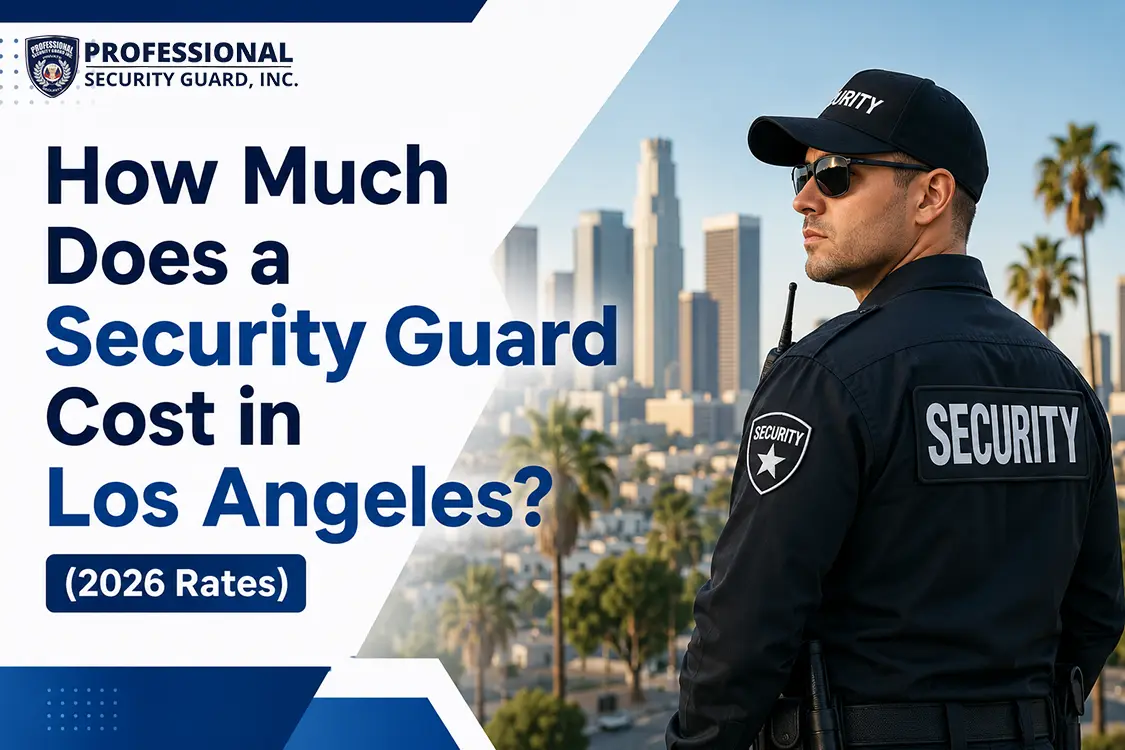
How Much Does a Security Guard Cost in Los Angeles? (2026 Rates) 

Every business owner in Southern California eventually stares at a budget spreadsheet trying to balance asset protection with rising operational overhead. Figuring out the actual security guard cost in this city involves filtering out confusing baseline wages from the actual billable rates agencies charge. You see national numbers that sound reasonable but the reality of working within the specific legal and economic footprint of Los Angeles changes the math entirely. The constant pressure of modern operational risks means skipping out on protection is rarely an option but overpaying for structural overhead does not make sense either. Finding that middle ground requires an honest look at local market forces. Everyone wants a clear number but standard security guard services los angeles prices depend entirely on compliance, risk tiers and how much liability you are trying to shift off your own shoulders.

Understanding the reality of the security guard cost in California

California minimum wage rules set the floor for every quote. Do not look at job boards to guess contract costs. You are not just paying the guard’s hourly wage. A professional billable rate includes worker’s compensation insurance. It covers liability insurance and state training requirements. It also factors in administrative support.

Standard billable rates for an unarmed guard in Southern California hover between $30 and $37 per hour. Low quotes are a major red flag. They usually mean the provider cuts corners on insurance. They might also misclassify workers. This creates massive legal liability for your business if an incident occurs on your property.

Why Armed Options Change The Billable Math Entirely

Choosing armed personnel changes the pricing structure immediately because the underlying insurance exposure doubles. Armed protection requires specialized state permits, ongoing firearms qualifications and guards who can make high-pressure decisions calmly.

Security Guard Tier (LA Market)Typical Hourly Bill Rate
Standard Unarmed Guard$30 – $37 / hour
Standard Armed Guard$50 – $95 / hour
Advanced/Executive Protection$95 – $115+ / hour

For most standard commercial or high-value retail environments in the city, an armed presence commands anywhere from $50 to $95 per hour depending on the specific location and the required experience level. It is a significant jump but the cost reflects the strict regulatory requirements and risk mitigation that comes with carrying a weapon on duty.

The Hidden Impact Of Shifts And Scheduling On Your Budget

The timing of your coverage alters the final invoice more than most people expect. Running a standard daytime shift is straightforward but overnight coverage, weekend presence and holiday scheduling routinely trigger localized market premiums.

Most agencies apply a 10% to 30% premium for night shifts, holiday coverage or short-notice emergency requests.

If you suddenly need to cover a broken warehouse door over a holiday weekend, the emergency dispatch rate will look very different from a long-term, predictable contract. Planning your schedule in advance is the simplest way to avoid these structural cost spikes.

Real world factors that shift the security guard cost upward

Every neighborhood in this region presents a different environmental risk profile. Consequently, this variance directly alters how an agency builds out a physical protection plan. For example, a quiet office building in Pasadena requires a completely different operational footprint. In contrast, a high-foot-traffic retail center in downtown Los Angeles or a logistics hub near the port demands much more attention.

Furthermore, the physical complexity of a site heavily influences the final numbers. Therefore, when a provider looks at a complex site with multiple access points or dark loading docks, the cost calculation shifts upward. Ultimately, this happens because the assignment requires more experienced personnel or extra supervisory check-ins.

Tracking The True Commercial Security Guard Cost For Local Businesses

Managing a corporate footprint or a multi-tenant property means looking at the Commercial Security Guard cost as a long-term risk management strategy rather than a line-item expense. We frequently notice that businesses try to secure massive facilities by simply placing a single guard at the main entrance, which leaves rear exits and storage yards completely exposed.

When we analyze physical security setups across industrial parks, we often see that a hybrid approach—combining a dedicated physical guard with structured mobile patrol check-ins—keeps total monthly costs manageable while closing critical gaps in coverage. This approach provides comprehensive site visibility without requiring the budget of a full-time, round-the-clock physical team.

Why Specialized Site Requirements Drive Up Standard Rates

Every industry comes with its own set of compliance rules that guards must understand. Construction sites require personnel who know how to document heavy equipment movement and prevent after-hours copper theft, while healthcare facilities demand guards trained in patient interaction and de-escalation protocols.

The more specialized the training required for the environment, the higher the billable rate will climb. If your site requires a guard to use specific digital tracking software, manage complex gate systems or maintain a bilingual presence, the baseline rate will adjust to reflect that operational skillset.

Evaluating standard quotes from local providers

Navigating the proposals sent by different agencies can feel incredibly repetitive until you learn to spot where the actual differences lie. Most companies will present a clean hourly rate but the real test of a provider is how they structure their operational support behind the scenes.

The Value Of Long Term Service Stability

We have spent years observing how security needs evolve across Southern California. Ultimately, the most successful partnerships always come down to clear communication and stable staffing. For instance, our clients at prosecurityguard.com tell us that consistency matters. Specifically, having the same familiar faces guarding their perimeters builds a level of site intuition. You simply cannot get that value from a constantly rotating roster of temporary staff.

Consequently, when an agency treats its field staff well, it results in lower turnover. Furthermore, it creates better site familiarity and a significantly more reliable presence for your property.

Small Contractual Details That Impact Your Total Invoice

Before signing any service agreement, look closely at the minimum shift requirements and the exact definitions of overtime. Many providers require a minimum of 4 or 5 hours per deployment to make the scheduling viable for their guards. Understanding these minimums helps you structure your event or operational hours efficiently, preventing situations where you pay for idle time because a shift wrapped up an hour early.

What Separates Standard Operations From High-Tier Coverage

The lowest price option on a spreadsheet often looks appealing until an overnight guard misses a shift and there is no backup supervisor available to cover the post. Reliable agencies invest heavily in a dedicated, local dispatch infrastructure that monitors guard check-ins in real time.

When looking through options among the various commercial guard companies in los angeles, the teams that maintain consistent service quality are the ones that prioritize local field supervisors who actively visit sites to audit performance. That supervisory layer prevents localized complacency and ensures that post orders are actually followed every single night.

To Conclude

Managing site protection alongside a strict budget means recognizing that safety is an ongoing operational practice, not a static purchase. The actual security guard cost you accept should always align with the specific liabilities your business faces every day. Spending time to properly evaluate your site layout, identify true vulnerabilities and select a reliable local partner ensures your property stays protected without draining your structural profits.
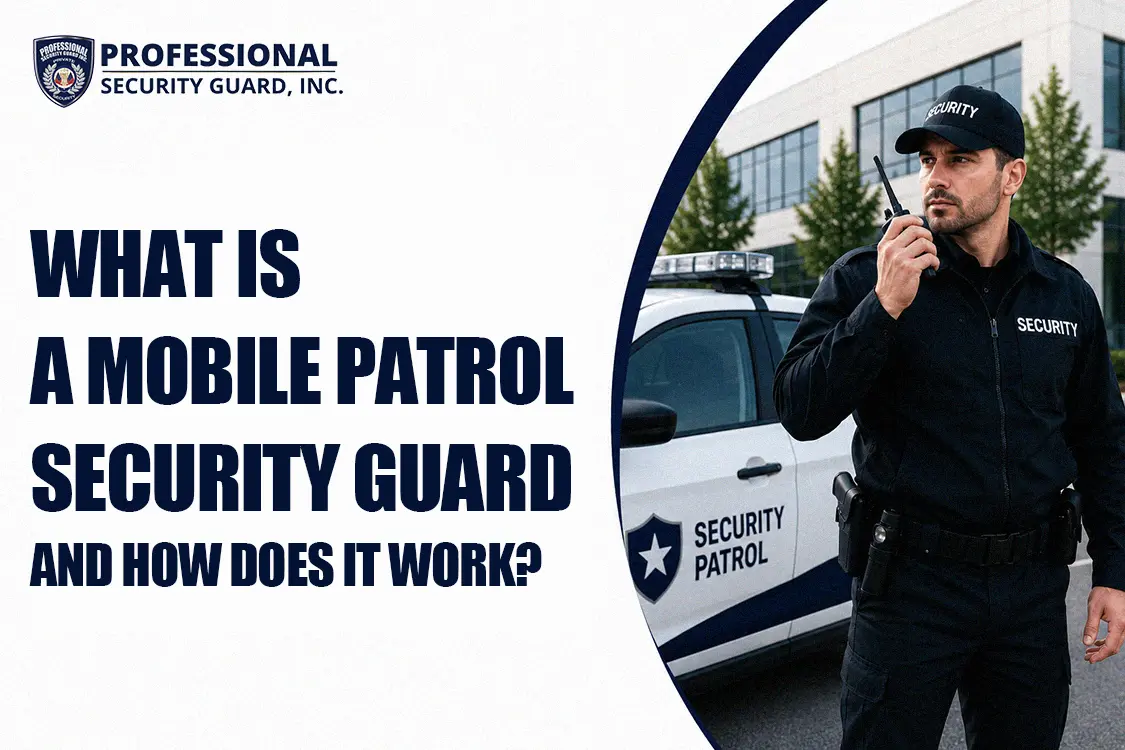

What Is a Mobile Patrol Security Guard and How Does It Work? 

The reality of managing property in California is that a lot happens when you are not looking. Dark parking lots, quiet construction sites or empty office blocks become magnets for the exact kind of trouble that keeps owners up at night. Relying solely on a fixed post can leave blind spots across larger properties  which is why active security patrol services are shifting how Pro Security Guard handle modern asset protection. It comes down to moving targets. When security stays in one predictable spot  people with bad intentions figure out the pattern quickly  whereas a vehicle moving through an area changes the entire dynamic.

What Is Mobile Patrol Security?

The concept is fairly straightforward  though people often confuse it with standard police work or basic gate monitoring. A mobile patrol security guard is essentially an active  vehicle-based visual deterrent designed to cover ground that a stationary officer simply cannot manage on foot. We see this all the time with sprawling commercial plazas or gated residential layouts where the sheer acreage requires wheels. The guard moves between different check points  tracking vulnerabilities and handling random property sweeps. It works because it breaks the predictability that trespassers rely on when timing a break-in.

Why Stationary Guards Aren’t Always Enough For Large Properties

If an officer is sitting at a front desk or stuck inside a guard shack  they are naturally blind to what is happening behind the warehouse or near the far fence line. Consequently  a mobile patrol security guard bridges that massive physical gap by constantly shifting location.

The Power Of Random Timetables In Modern Asset Protection

On the other hand, fixed schedules are incredibly easy to map out from a distance. We learned this lesson early on  which is why alternating the arrival times of our vehicles works best. Ultimately  it prevents onlookers from learning the routine and as a result  this simple shift makes the property a much harder target to predict.

Visible Deterrence Changes Visual Patterns For Trespassers

After all, criminals always look for the easiest path of least resistance. Therefore  seeing a marked security vehicle rolling through a dark lot at irregular intervals is usually enough to make someone move along down the road.

How Does a Mobile Patrol Security Work Step by Step?

The actual mechanics of a patrol shift rely on structured software and clear protocols. Guards do not just drive around aimlessly. When our teams at Pro Security Guard set up a new route  we focus on identifying vulnerable access points first. These spots usually include back alleys  loading docks and poorly lit blind corners. The officer arrives onsite in a clearly marked vehicle  instantly changing the visual profile of the location. From there  they conduct a mix of vehicular loops and on-foot inspections  checking physical locks and ensuring windows are secure.

Every single check is logged digitally using localized electronic tags or GPS checkpoints. If an officer finds a broken gate or an open fire door  the system updates in real time  giving property managers immediate visibility without waiting for a morning phone call. If an incident escalates  such as a localized break-in or active vandalism  the guard immediately shifts from monitoring to active containment  looping in local law enforcement while securing the immediate perimeter. It is a repeatable  data-driven cycle that keeps field operations completely transparent.

What Types of Properties Use Mobile Patrol Security in California?

Different sectors face entirely different security headaches but the common thread is always exposed space. For instance  residential security guards are frequently deployed across sprawling HOA communities as well as apartment complexes and neighborhood blocks where vehicle break-ins and package thefts run rampant. The presence of a patrol vehicle navigating these residential streets provides peace of mind for families while actively discouraging late-night loiterers.

On the commercial side  construction sites, industrial parks and retail shopping centers depend heavily on these fast sweeps. California properties are particularly vulnerable to metal theft and equipment vandalism during off-hours. A mobile patrol security guard keeps these dark sectors under surveillance  ensuring that high-value inventory remains untouched overnight. It functions as a flexible safety net across multiple industries.

How Much Does Mobile Patrol Cost in California?

Property managers face tough choices with budgets. The financial contrast between dedicated personnel and shared drive-by services is huge. A dedicated standing guard charges for every hour on site. These costs accumulate rapidly over a monthly billing cycle. These costs accumulate rapidly over a monthly billing cycle, ranging from $3,500 to over $10,000 per month depending on coverage hours. Mobile sweeps operate on a shared cost model  where you pay per visit rather than per hour.

Understanding The Basics Of Shared Route Pricing Structures

You are essentially splitting the operational costs of the vehicle and the officer with neighboring properties. This makes regular security presence accessible for smaller businesses that cannot afford dedicated night watchmen.

Factors That Push Corporate Rates Up Or Down Daily

The size of your property as well as the number of required checks per night and whether you need interior foot patrols will impact your final commercial security guard cost significantly. More complexity requires more time on site.

Compliance Standards And State Licensing Impacts of Mobile Patrol Security

Every operating officer must strictly meet the California BSIS Guard Card Requirements  ensuring they are properly vetted, trained and licensed. This professional compliance ensures high-quality service but naturally influences standard market rates across the state.

Final Thoughts

Finding the right balance between comprehensive protection and reasonable operational costs is a constant challenge for California property managers. At Pro Security Guard, we have watched many owners struggle with the steep expenses of traditional security setups before realizing that a mobile patrol security guard offers the exact agility and data tracking they actually need. It is about deploying resources smarter  using targeted visibility to eliminate blind spots without paying for empty hours. 

If you are ready to evaluate your current property vulnerabilities and explore practical  vehicle-based coverage options  you can get a free patrol quote today to see how a structured  modern route can protect your investments efficiently.

Frequently Asked Questions

How many visits per night do I need?

Most properties do well with two to four random visits per night  depending entirely on local crime trends and the specific layout of your asset.

Can patrol guards respond to alarms?

Yes  mobile units highly effectively verify alarms  rushing to the scene to check the perimeter before they dispatch emergency services.

Do I need armed or unarmed patrol?

Unarmed patrols work perfectly for standard deterrence and property checks  while security personnel typically reserve armed options for high-asset environments or high-risk zones.

Is mobile patrol cheaper than a standing guard?

Yes  it is generally much more budget-friendly because you are only paying for the specific windows of time the guard is actively checking your property.

What Are the Best Options for Financing Security Guard Companies in 2026? 

Every Friday morning follows the exact same pattern for thousands of owners running regional private security agencies. You sit at a desk with a spreadsheet open, staring at a payroll liability that must clear by midnight, while your largest commercial client casually mentions that their accounts payable department is running on a sixty day delay. It is an exhausting way to scale a business. The modern landscape demands more personnel, better technology, and instant deployment, yet the actual cash to fuel those demands remains locked up in unpaid invoices. 

Let’s figure out how to survive these gaps requires looking past basic bank loans toward strategic capital.

Persistent Capital Gap in Security For Financing Security Guard Companies

Running a physical security operation means your single largest expense is due long before your revenue arrives. You cannot tell guards to wait two months for their wages because a property management company has a slow administrative process. When you seek localized local support by looking up financing security guard companies near me, you quickly find that smaller agencies are frequently trapped by this structural reality.

The industry operates on tiny margins, and missing a single payroll cycle destroys guard retention instantly. Guards will just walk across the street to a competitor. If you take on a massive new corporate facility or a municipal asset, the cash crunch only multiplies. Thus you suddenly have to buy dozens of uniforms, pay for background checks, and fund multiple weeks of shifts upfront before you can even hit the “send” button on your initial invoice.

Smart Options for Financing Security Guard Companies

Unlocking Liquid Cash Through Invoice Factoring

Selling your accounts receivable remains the most practical way to handle the immediate financial pressure of weekly payroll. Instead of waiting for a corporate client to clear an invoice in sixty days, a factoring partner advances up to ninety five percent of that invoice value within twenty four hours.

The true benefit here is that qualification rests entirely on the creditworthiness of your clients, not your own balance sheet. If you are a young firm providing services to major logistics hubs or healthcare facilities, their strong credit acts as your leverage. It keeps your balance sheet entirely free of new debt.

Relying on Flexible Business Lines of Credit in 

A revolving line of credit serves as an ideal financial safety net for erratic scheduling demands. You draw down funds to handle sudden overtime costs during holiday events, pay back the balance when client checks are clear, and only pay interest on the exact amount used.

  • Predictable cost control: Interest accumulates purely on active draws.
  • Rapid accessibility: Once established, funds move into checking within hours.
  • Scalable limits: Borrowing capacity frequently adjusts upward as gross revenues expand.

Utilizing Dedicated Asset and Equipment Loans

Modern contracts frequently demand more than just bodies in uniforms; clients expect patrol vehicles, communication gear, and mobile surveillance platforms. Using your working capital to purchase a fleet of patrol vehicles upfront is a dangerous drain on cash.

Equipment financing solves this by using the physical assets themselves as the underlying collateral. Therefore this structure preserves your liquid cash for core operations while spreading the equipment costs across multi year repayment terms that align with your long term contracts.

Balancing Rapid Growth with Stable Infrastructure

We have watched many promising firms fold because they won a massive contract but lacked the liquidity to sustain it past week three. In our own work at prosecurityguard.com, we see these cash flow imbalances daily across our partner networks. Whenever we onboard regional subcontractors or manage multi state deployments, the agencies with structured invoice funding always perform better. They do not cut corners on guard training or delay equipment upgrades. 

Our regular corporate clients and extensive national vendor lists prioritize suppliers who demonstrate absolute financial stability. Because a security firm facing a cash crunch is a firm that eventually leaves posts empty.

Structural Realities of Traditional Banking Systems for Financing Security Guard Companies

Choosing the right path comes down to analyzing the specific terms of your active contracts. If your client base consists mostly of slow paying corporate giants, invoice factoring keeps your cash flowing naturally. If your primary challenge involves sporadic, seasonal events, a revolving line of credit makes the most sense. The ultimate goal is to keep your guards paid and your patrol vehicles moving without sacrificing ownership of your business. We have learned that the firms that survive long term are the ones that treat cash management as a core operational discipline. Hence utilizing flexible funding instruments as tools to scale safely. 

Why Traditional Bank Mortgages and Loans Fail Staffing Models

Conventional lenders want to see physical assets like real estate or heavy machinery before they approve a business loan. In our industry, your primary asset is your accounts receivable ledger, which traditional banks view as highly volatile. The lengthy approval times of brick and mortar banks simply cannot keep pace with the immediate operational realities of managing financing security guard companies on the ground.

Navigating the Hidden Strictures of SBA Funding

The Small Business Administration offers long term loans with excellent interest rates, but the application timeline can stretch across months. If you need to fund a major contract starting next Monday, an SBA loan will not arrive in time. Therefore it functions perfectly for long term real estate investments, but fails as a tool for short term operational survival.

Managing Hidden Costs in Alternatives in Financing Security Guard Companies

Merchant cash advances promise instant funding with minimal paperwork, but they collect repayment through daily deductions from your business bank account. The true annual percentage rate can easily climb into triple digits. For an industry operating on single digit profit margins, this expensive structure quickly turns a temporary cash gap into a permanent financial crisis.

Evaluating Options for Financing Security Guard Companies

Choosing the right path comes down to analyzing the specific terms of your active contracts. If your client base consists mostly of slow paying corporate giants, invoice factoring keeps your cash flowing naturally. If your primary challenge involves sporadic, seasonal events, a revolving line of credit makes the most sense. The ultimate goal is to keep your guards paid and your patrol vehicles moving without sacrificing ownership of your business. We have learned that the firms that survive long term are the ones that treat cash management as a core operational discipline, utilizing flexible funding instruments as tools to scale safely. 

Final Thoughts 

Hence maintaining reliable cash reserves remains the primary operational hurdle when managing a growing security guard company. Balancing payroll demands against extended corporate payment terms requires a clear understanding of alternative lending pathways, invoice factoring, and revolving lines of credit. By picking an option that matches your client mix, you ensure your agency stays stable, resilient, and ready to protect.

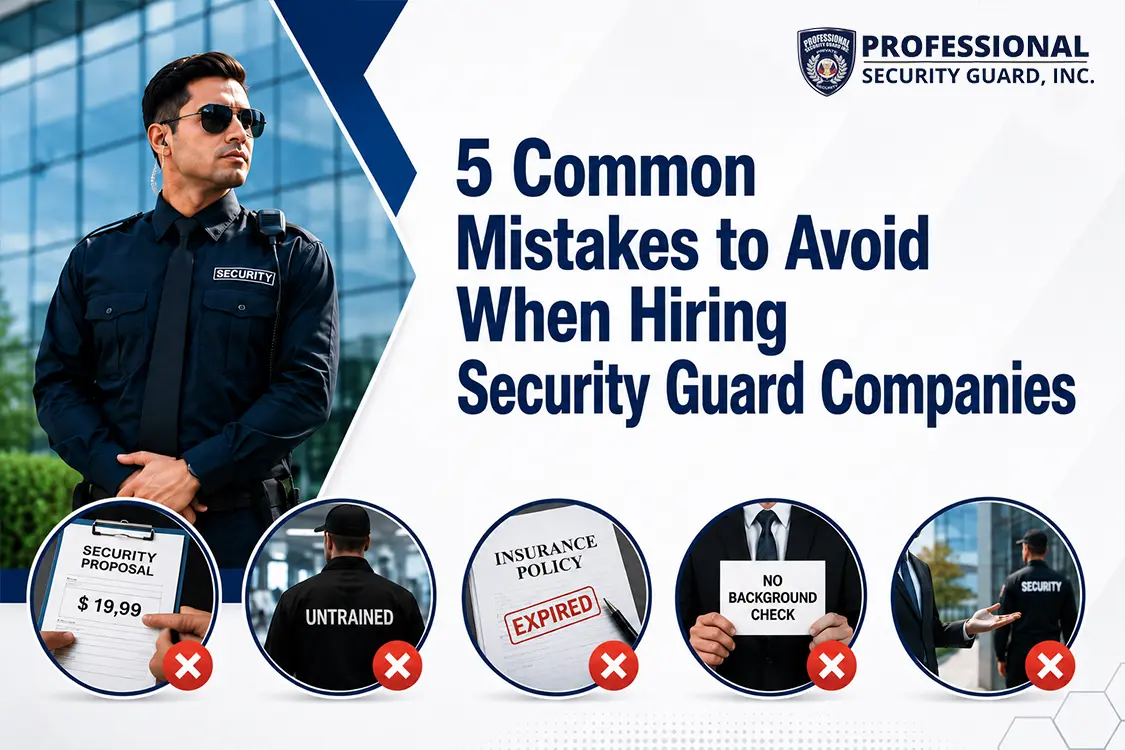
Common Mistakes to Avoid When Hiring Security Guard Companies

Finding trustworthy security guard companies feels like trying to purchase insurance after a storm has already hit. You assume every company with a badge and a professional contract provides the same level of safety, until a late-night incident reveals that the person guarding your facility is untrained. Security mistakes happen when operators focus on the price tag rather than looking at actual field capability. Sorting through empty corporate promises is exhausting, which makes it vital to understand exactly what goes wrong during the hiring process.

The Blind Spot of Lowest-Bidder Contracting

Choosing a vendor based on the lowest hourly rate remains a primary cause of major site vulnerabilities. A cheap contract usually means the agency cuts corners on basic guard background checks, state testing and field supervision.

When you rush to hire security guard companies based purely on a tight budget, you usually end up with high turnover and empty guard posts. The reality is that quality personnel cost money because proper training takes time and real resources.

The Hidden Financial Risk of Low-Rate Agencies

Cheaper agencies often skip comprehensive general liability coverage, passing the risk directly to your business. A single uncovered property incident or workplace injury liability can easily cost ten times what you saved on hourly guard rates.

Why High Turnover Rates Destroy Facility Consistency

Guards who receive minimum wage rarely stay at a post long enough to learn the specific access routes or high-risk areas of a building. When a new face shows up every week, your internal staff wastes time re-explaining baseline protocols.

Recognizing the True Overhead of Quality Protection

Reputable firms invest their revenue directly back into field supervisors, real-time tracking software and comprehensive training modules. This structural support is what keeps a guard awake and alert during a long shift.

Overlooking Verified Compliance and Local Licensing

Failing to verify active credentials through official state databases is a massive oversight that happens constantly. Many operations managers accept a PDF copy of a certificate without double-checking its actual validity with regulatory boards.

We see businesses make this mistake repeatedly, which is why at prosecurityguard.com we maintain a fully transparent credential system. Our clients, including major retail hubs and commercial property networks, frequently tell us that having instant access to verified guard cards and active state certifications saves them immense regulatory stress during unexpected state audits.

The Danger of Outdated Regulatory Paperwork

State agencies like the California Bureau of Security and Investigative Services manage hundreds of thousands of active credentials, meaning status changes can happen overnight. Working with an agency that operates on an expired permit puts your entire facility at legal risk.

Why Regional Field Experience Changes Everything

A provider based hundreds of miles away cannot manage local issues effectively or provide rapid backup during a sudden emergency. If you need dedicated protection, choosing security guard companies Los Angeles means the guards understand specific municipal codes and local crime trends.

The Legal Fallout of Unlicensed Security Personnel

If an unlicensed guard uses physical force on your property, your business faces direct exposure to third-party lawsuits. Courts rarely show leniency to commercial operations that fail to perform basic regulatory due diligence on their vendors.

Assuming All Guards Receive Identical Training

Believing a standard guard card makes a person ready for a complex environment is a common misconception. A basic license simply covers the bare legal minimums, not the actual nuances of managing a hostile crowd or monitoring intricate access control systems.

Standard Guard Card who don’t have (Bare Legal Minimums Only)

  • De-escalation training
  • Active monitor tracking
  • Specific facility orientation

The Difference Between General Monitoring and Active Patrols

A warehouse requires a completely different approach compared to a crowded corporate lobby or a high-end retail storefront. If your provider uses a generic training manual for every single client, your specific security vulnerabilities remain exposed.

Why Written Incident Reports Require Strict Protocols

A guard who cannot write a clear, objective incident description leaves you without protection during subsequent legal disputes. True professionalism shows in the daily logs, precise timelines and clear digital reporting methods used after an event occurs.

The Real Value of De-escalation Expertise

The best defense is preventing a situation from escalating into physical conflict in the first place. Guards who lack verbal de-escalation skills often worsen simple trespassing issues, turning minor arguments into massive liabilities.

Neglecting the Infrastructure of Field Support

A guard standing at a gate is only as reliable as the management system supporting them from behind the scenes. If a company lacks an active dispatch center or field supervisors who conduct unannounced site checks, performance inevitably slips.

MANAGEMENT SYSTEM CHECKLIST 

• 24/7 Active Dispatch Response  

• Random Night-Shift Inspections

• Direct Line to Local Managers  

We learned early on that regular, unannounced night-shift inspections keep guard performance sharp across all shifts. Our management team focuses heavily on providing this logistical backbone, ensuring that field personnel are never left without immediate communication channels or clear operational guidance.

The Nightmare of Unresponsive Account Managers

When a scheduling issue happens on a holiday weekend, you cannot afford to wait for an automated email response. You need a dedicated point of contact who can resolve staffing shortages or handle sudden emergency coverage within minutes.

How GPS Tracking Protects Your Property Line

Relying on paper logbooks allows guards to falsify patrol times, leaving long intervals where your perimeter is completely exposed. Modern operations require digital tracking loops that verify exact guard presence at every checkpoint.

Why Regular Equipment Audits Prevent Site Failures

Broken flashlights, malfunctioning radios and poorly fitting gear look unprofessional and compromise safety during a critical incident. High-quality guard agencies run weekly equipment checks to keep their teams fully operational.

Conclusion

Finding the right protection provider involves looking past clean marketing materials and evaluating real field performance. Avoiding the trap of cheap contracts and verifying local licensing removes the vast majority of operational stress. It is about establishing an honest partnership with an agency that understands the daily realities of your specific location. When searching for reliable security guard companies near me, look for providers that focus on accountability, proper training and transparent communication to keep your property safe over the long term.

Commercial Security Guard Costs in 2026: Why Smart Businesses Are Investing in Security 

You look at the monthly overhead, notice the rising cost of inventory loss or insurance premiums and realize something has to change. Property managers and retail operators are collectively realizing that locking doors and tracking cameras is no longer enough. Looking at empty spaces or damaged storefronts after an incident brings a distinct kind of frustration. It is the realization that reactive measures with Professional Security Guard only document your losses rather than preventing them.

Every business owner wants to know the baseline numbers before committing to physical assets. When exploring a Commercial Security Guard strategy. Moreover understanding how regional liabilities and compliance shift the financial math becomes essential.

Understanding The Real Baseline Of Commercial Security Guard Pricing

Many people look at state minimum wages and assume a protective detail scales directly from that number. In reality, putting an officer on a property involves hidden costs like workers’ compensation, liability insurance and regulatory training.

Why Low Quotes Usually Equal High Turnover

A quote that looks incredibly cheap usually reveals its true cost down the line. When a firm tries to underbid the market, the actual worker receives a wage that fails to attract reliable talent. As a result a cycle of missed shifts and unmotivated personnel who spend their time looking at their phones rather than watching your perimeter.

The Breakdown Of Basic Overhead

The billable rate pays for a lot more than just the person standing by the door. True financial math includes payroll taxes, mandatory general liability limits and basic supervisor logistics. Hence if these expenses are neglected then the business owner inherits the legal vulnerability when something goes wrong.

Regional Factors Affecting Commercial Security Guard Rates In California

Operating a facility on the West Coast introduces a distinct set of operational rules and local labor dynamics that push standard rates above national averages.

Local Mandates Across Major Metro Hubs

Major economic centers see significant pricing shifts based on municipal ordinances and localized crime trends. For instance, businesses searching for security guard services los angeles operators regularly encounter baseline averages ranging between $28 and $45 an hour for standard unarmed personnel. For example these figures reflect the reality of managing complex, high-traffic commercial environments.

Security Service TypeAverage Hourly Rate
Unarmed Security Guard$28 – $45 / hr
Armed Security Guard$40 – $70+ / hr
Firewatch Security Guard$32 – $55 / hr
Mobile Patrol Security$45 – $75 / hr

The Cost Realities Of Specialized Training

Selecting a professional security company CA managers trust means accounting for the Bureau of Security and Investigative Services (BSIS) licensing. When a facility transitions from a basic deterrent to an armed or specialized firewatch presence, the rate reflects the specialized training involved. Armed personnel scale from $40 to over $70 per hour due to firearm permits and elevated insurance liability.

Why Modern Enterprises View Physical Security As An Investment Instead Of An Expense

Treating safety as a line-item loss overlooks how a physical presence actively protects a company’s bottom line.

Lowering Insurance Premiums Through Active Mitigation

Insurance underwriters look favorably on businesses that actively manage their risks. Showing a consistent history of professional physical patrols frequently opens the door to better premium structures. It prevents the minor claims that slowly drive up your operational costs over time.

Preserving Foot Traffic And Brand Reputation

A messy situation in a parking lot or a retail lobby damages consumer confidence far faster than bad reviews. People want to feel safe when they visit an office park or a shopping district. Therefore having a calm, professional figure at the entrance establishes a sense of order that protects customer relationships.

How We Approach Deployment Realities At Pro Security Guard

We have seen these challenges play out across retail spaces, logistics centers and corporate facilities over many years. Our team knows that a cookie-cutter approach to safety fails because every property features unique vulnerabilities and distinct blind spots.

Matching Personnel To Specific Operational Environments

A warehouse needs an officer focused on logistics tracking and perimeter control, while a luxury retail setting requires excellent customer service and subtle de-escalation skills. We focus on placing individuals whose natural temperaments align with the daily demands of your specific industry. This careful matching process keeps operations smooth and minimizes friction.

Our corporate client list spans major retail groups, property development firms and industrial yards that rely on consistent coverage. By managing the underlying training and compliance details ourselves, we allow local business owners to focus entirely on running their enterprises.

Structural Details That Define Long Term Security Guard Contracts

Locking in a long-term strategy requires looking closely at the details of the service agreement to prevent unexpected costs down the road.

Balancing Dedicated Coverage With Mobile Patrols

Not every business needs a dedicated individual standing on-site for a full 24-hour cycle. Hence combining dedicated personnel during peak operating hours with mobile vehicle checks overnight often achieves the right balance of protection and budget.

Identifying The True Risks Of The Cheapest Option

Cutting corners on your safety strategy often leads to paying more down the road. An uninsured or poorly trained asset can easily expose your business to major liabilities during a crisis. As well as true value comes from consistency, transparency and knowing that the team protecting your property is fully supported.

Final Thoughts

Deciding to hire an external team requires a clear understanding of the balance between operational costs and risk management. Investing in a Professional Security Guard means paying for reliability, reduced liability and everyday peace of mind. To sum up, spending a bit more upfront to secure certified and reliable personnel saves significant capital by preventing inventory shrinkage, property damage and legal complications. Over time, a consistent safety presence proves itself to be a practical tool for long-term business growth.

Hence when we regularly look back at our client histories and notice a clear trend. The enterprises that view safety as a foundational asset rather than an ongoing expense are the ones that grow steadily. They avoid the sudden disruptions that derail smaller operations. Building a safe business environment requires focusing on consistent preparation and prosecurityguard.com stands ready to help you maintain that focus.

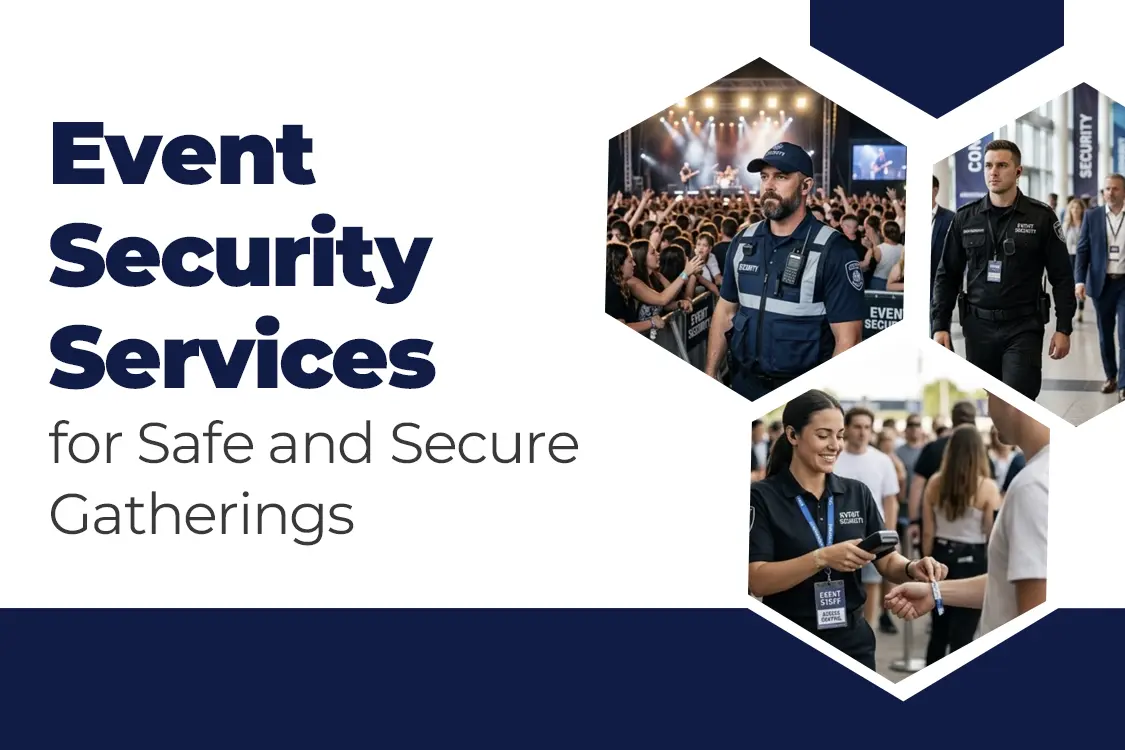
Event Security Services for Safe and Secure Gatherings

People rarely think about event security services until a situation starts affecting the event itself. A crowded entrance. A parking dispute. Someone entering a restricted area unnoticed. Events may look organised from the outside, but large gatherings can change within minutes. Weddings, concerts, business events, and festivals all carry unpredictable moments. That is why many organisers now connect with an experienced event security company much earlier instead of treating security like a last-minute formality.

Event Security Services Quietly Shape The Entire Atmosphere

People often assume security only means standing near entrances with crossed arms and earpieces. Real situations rarely work that way anymore. Large gatherings move in layers. Vendors arrive early. Staff members enter through different points. Guests show up all at once instead of gradually.

A report by Allied Market Research estimated the global event security market will cross USD 25 billion by 2031. That growth says a lot about how seriously organizers now treat crowd protection and operational safety.

Some risks appear repeatedly across almost every gathering:

  • Entry gate overcrowding during peak arrival hours
  • Unverified guest access into restricted areas
  • Parking disputes and traffic congestion
  • Alcohol-related behavior changes at private events
  • Miscommunication between vendors and staff
  • Emergency exits blocked by temporary setups

Those problems sound small individually. Together, they change the entire mood of an event very quickly.

Crowds React To Uncertainty Faster Than Actual Danger

One thing people underestimate is how quickly confusion spreads in packed environments. It rarely takes a serious threat. Even unclear directions can trigger crowd movement problems.

Entry Points Quietly Decide The Guest Experience

People arriving at an event already carry expectations. Long queues frustrate them quickly. If staff members appear distracted or underprepared, attendees begin pushing boundaries almost immediately. Research from the International Association of Venue Managers found that nearly 70% of crowd-related disruptions begin near entrances, exits, or transitional movement areas.

A few things experienced teams usually monitor closely:

  • Ticket scanning delays
  • Guest behavior near barricades
  • Bag screening flow
  • Sudden crowd bunching near gates
  • Unauthorised side-entry attempts
  • Staff fatigue during long events

At several corporate and entertainment gatherings, teams from ProSecurity Guard have been mentioned by venue coordinators for maintaining calm crowd movement without creating an aggressive atmosphere around guests. Hence that balance feels harder to achieve than it sounds.

Smaller Gatherings Create Different Kinds Of Pressure

People often associate security planning only with concerts or stadiums. Smaller private events carry their own problems because organizers assume familiarity automatically creates safety. It usually does not. Family disputes appear unexpectedly at wedding venues. Former employees attend business launches uninvited. Alcohol changes group behavior faster than planners anticipate.

According to industry event reports, nearly 35% of private event disturbances come from invited attendees or known contacts rather than outside intrusions. Therefore surprises many first-time organizers.

Event Security Services Often Begin Weeks Before The Actual Event

Most experienced planners start security discussions during layout planning, not after invitations go out. By then, many logistical problems are already locked in.

Venue Blind Spots Create Issues Nobody Notices Early

Every venue has weak points:

  • Poorly lit parking areas
  • Unmonitored service corridors
  • Emergency exits left partially accessible
  • Temporary storage spaces without supervision
  • Vendor entrances with weak ID checks

During normal walkthroughs, these details feel minor. During crowded events, they suddenly matter a lot. The U.S. Occupational Safety and Health Administration continues highlighting emergency preparedness failures as one of the most common event safety concerns globally. As well as delayed response planning increases evacuation risks significantly during high-attendance gatherings.

Communication Gaps Create Larger Problems Than Outsiders

Many event disruptions begin because teams stop communicating properly. Security personnel may notice unusual activity early, but delayed reporting slows response time.

Strong coordination usually includes:

  1. Shared communication channels between teams
  2. Clear emergency escalation procedures
  3. Dedicated response personnel for crowd movement
  4. Parking and entry coordination systems
  5. Real-time monitoring during peak hours

Additionally when these systems work properly, guests rarely notice the operational pressure behind the scenes.

Event Security Services Presence Changes Guest Behavior More Than Strict Rules

People behave differently when they sense a space is properly monitored. They move more calmly. Staff members follow procedures more consistently. Psychological effect matters more than many organizers expect.

Professional Event Security Services Team Reduces Visible Tension

There is a difference between intimidating security and reassuring security. Guests usually respond better to calm visibility than aggressive enforcement.

Modern security personnel now handle responsibilities far beyond standing near entrances:

  • Guest guidance and assistance
  • Access verification
  • Crowd flow observation
  • Parking supervision
  • Incident reporting
  • Emergency coordination

Industry surveys suggest nearly 60% of attendees feel safer at events where security staff remain approachable and visibly present without appearing confrontational.

That balance takes experience.

Commercial Security Guard Planning Overlaps With Guest Experience

Corporate events especially have changed in recent years. Companies invest heavily in branding, hospitality, and networking environments. A poorly managed entrance damages that experience quickly. This is probably why businesses increasingly involve Commercial Security Guard during early operational planning stages instead of hiring temporary personnel a day before the event.

A few noticeable benefits appear repeatedly:

  • Faster guest entry processing
  • Better VIP movement management
  • Reduced parking confusion
  • Improved emergency readiness
  • Lower risk of unauthorised access
  • Smoother coordination with venue staff

You can usually tell when security planning happened late. The environment feels reactive. Staff members appear uncertain. Nobody really knows who handles what.

Technology Helps, Although People Still Matter More

Surveillance systems, access scanners, and AI-based crowd monitoring tools improved event management significantly during the last decade. Still, technology depends heavily on human judgment. Reports from Event Industry News show that more than 50% of large venues now use some form of digital crowd monitoring during public gatherings. Yet experienced personnel remain central to response handling because technology notices movement while humans understand behavior.

Distinction becomes important during fast-moving situations. Firstly that sounds obvious, although it reflects reality surprisingly well. Then guests remember smooth movement, shorter wait times, comfortable exits, and calm environments. Moreover they rarely remember security unless something fails.

Some of the strongest event operations work almost invisibly in the background:

  • Quiet crowd observation
  • Early conflict prevention
  • Controlled entry movement
  • Fast communication between teams
  • Calm emergency handling
  • Organized closing procedures

Final Thoughts

Toward the end of an event, organizers usually realize whether the planning actually worked. The venue empties smoothly. Vendors leave without confusion. Parking clears faster than expected. No unnecessary incidents happened.

Reliable Professional Security Guard  tend to create exactly that kind of outcome. Calm enough that people barely think about the work happening underneath it all.

What makes a Professional Security Guard stand out?

People usually notice security only when something goes wrong. A door left open too long. A visitor who should have been questioned earlier. A parking lot that suddenly feels uncomfortable after sunset. Most of the time, the presence of professional security guard blends into the background quietly, almost forgettable until a situation shifts and someone steps in before panic spreads and that difference matters more now than it did a few years ago.

According to recent industry reports from the Bureau of Labor Statistics, private security roles continue to grow because businesses, residential communities, healthcare facilities, and retail spaces are dealing with more unpredictable safety concerns. People are paying closer attention to response time, awareness, and visible professionalism. In many cases, they are watching the guard before they trust the company behind them.

A strong Professional Security Guard usually stands out long before an emergency happens. It is in the way they watch people without making everyone uncomfortable. The way they speak calmly when someone else is already raising their voice. Small things, quieter things but still noticeable.

Some properties learn this lesson after a bad incident. Others notice it slowly over months, after cycling through guards who looked present but never really engaged with the environment around them.

A professional Security Guard Notices Patterns Before Problems

One thing we keep hearing from property managers is how easy it is to spot the difference between someone simply standing at an entrance and someone actively observing a space. The second type catches details early.

A delivery vehicle parked in the wrong area three mornings in a row. An employee leaving through a side gate after hours. Visitors lingering near access points longer than usual. None of these things sound dramatic on paper. Yet many serious incidents begin with small routines people ignore because they seem harmless at first.

There is also a certain calm that experienced guards bring into tense situations. That part rarely gets discussed enough. Some guards escalate rooms without meaning to. Others lower the temperature immediately. It usually comes down to communication more than physical presence.

People Trust Awareness Faster Than Authority

Uniforms matter. Training matters too but people tend to trust awareness first. Residents in apartment communities notice when guards remember faces. Retail staff notice when patrols stay consistent instead of disappearing during busy hours. Hotel guests notice when security feels approachable instead of distant.

These observations sound ordinary because they are ordinary. Security work often lives inside repetition with long shifts and imilar routines. The challenge is staying alert while everything feels predictable. That is where many teams struggle quietly.

The better companies usually invest more time in site familiarity and incident preparation instead of treating guards like interchangeable coverage. We have seen this difference firsthand in commercial buildings where the same trained personnel remain assigned long enough to actually understand traffic flow, staff habits, and recurring weak points.

Some clients looking for professional security company CA support often mention that consistency matters almost as much as staffing numbers. Familiarity creates better judgment. Guards react faster when they already understand the environment around them.

Professional Security Guard Training Shows Up In Strange Moments

A lot of people assume training only matters during emergencies. Realistically, it appears in smaller moments first. How a guard handles an upset visitor at reception. How quickly they identify when someone is recording restricted areas. Moreover how they respond when an employee seems uncomfortable walking to parking late at night.

Some situations never become official incidents because somebody noticed tension early enough to redirect it. That kind of prevention rarely becomes part of a report. Which is unfortunate because it is often the most valuable part of the job.

Professional Security Guard Teams Often Shape The Atmosphere Of A Property

There is a reason some buildings feel secure the moment you walk in, even before you consciously register why. Usually it comes from visible structure. Guards positioned correctly. Consistent patrol movement. Clear communication between staff members. People sense organization quickly, especially in crowded spaces.

In hospitality and retail settings, security presence also affects customer behavior more than businesses admit openly. Shoppers stay longer in spaces where they feel comfortable. Employees report concerns earlier when they trust site security. Even office tenants tend to renew leases more confidently when building management handles safety seriously.

A report published by ASIS International discussed how proactive security practices improve operational confidence across workplaces, especially in high-traffic commercial environments. It sounds corporate when written formally. In reality, most people describe it more simply. They either feel safe somewhere or they do not.

Good Security Work Is Usually Quiet

That is probably the strange part about this industry. The strongest guards are rarely the loudest people  on-site. They document carefully. Stay patient during long hours. Repeat procedures consistently even when nobody seems to notice. They avoid unnecessary confrontation because experienced professional security guards understand that control and aggression are very different things.

We have worked with businesses that originally focused almost entirely on cost before eventually realizing turnover and weak site coverage created bigger operational problems later. One logistics client even mentioned how dependable patrol visibility reduced internal disputes because staff felt somebody was consistently paying attention.

Around that point, conversations about professional security guard services Los Angeles usually shift away from appearances and toward reliability. Managers stop asking how many guards are present and start asking who is actually capable under pressure.

Technology Helps, But People Still Shape Outcomes

Cameras have improved. Monitoring systems are sharper. Access control is more advanced than ever. Still, most incidents eventually come down to human response. Somebody has to decide whether behavior feels unusual while somebody has to communicate clearly during confusion.Even somebody has to stay composed while everyone else reacts emotionally.  Technology supports awareness. It does not replace judgment.

That balance matters because businesses sometimes overestimate what surveillance alone can accomplish. Recorded footage helps after incidents occur. Trained security personnel often prevent situations from escalating in the first place. Honestly, people remember professionalism more than equipment anyway.

They remember the guard who helped calm an argument outside a venue without creating a bigger scene. The overnight patrol officer who noticed smoke before alarms triggered. The front desk security staff who quietly handled a difficult visitor without embarrassing anyone nearby. Those details stay with people.

The Best Security Presence Rarely Feels Performative

There is something reassuring about security that feels steady instead of theatrical. There should be no constant intimidation or no unnecessary tension. Just people who know their responsibilities well enough to stay observant without turning every interaction into a display of authority. Over time, businesses usually start recognizing the value of that approach. Especially after dealing with inconsistent coverage elsewhere. We have heard property owners talk about how dependable security guard services changed tenant relationships simply because residents felt somebody was genuinely present and paying attention.

That feeling is difficult to measure on a spreadsheet. Still, it shapes reputation quietly in the background every day. Maybe that is what really makes a Professional Security Guard stand out in the end. This is not about the uniform alone but also about the visibility. It is the ability to make people feel calmer without forcing attention toward themselves constantly.

Most people only remember security after something bad happens. The better teams make sure situations rarely reach that point at all.