Professional Security Guard

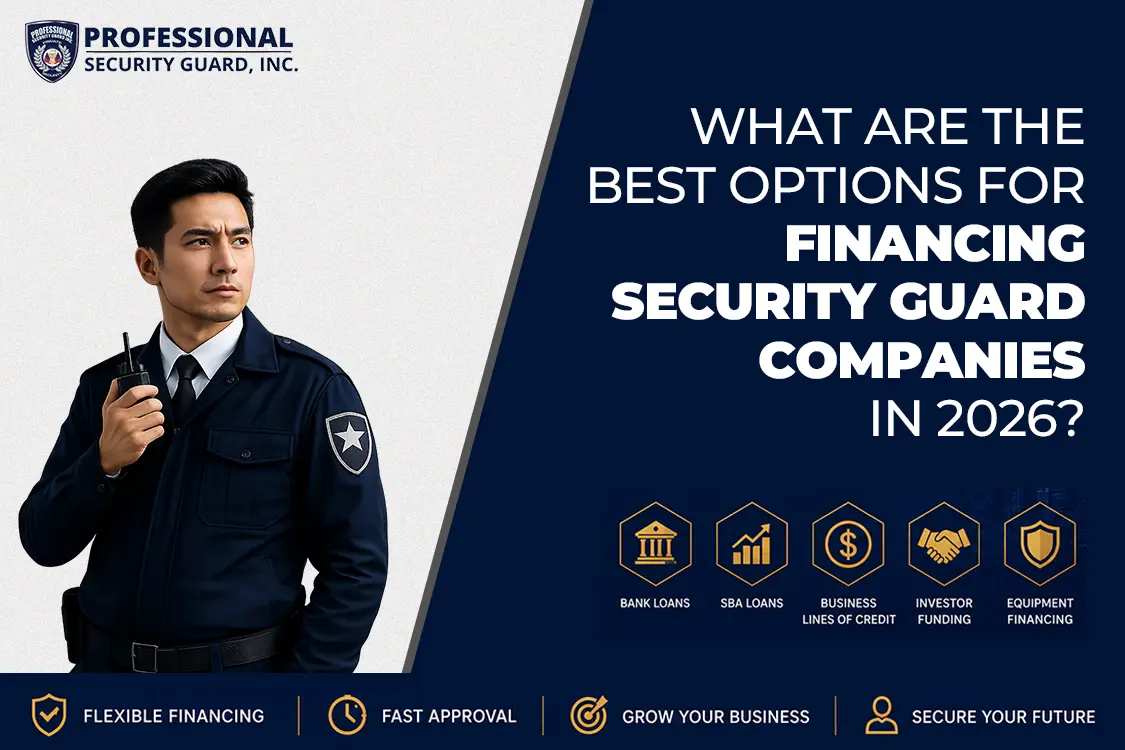
What Are the Best Options for Financing Security Guard Companies in 2026? 

Every Friday morning follows the exact same pattern for thousands of owners running regional private security agencies. You sit at a desk with a spreadsheet open, staring at a payroll liability that must clear by midnight, while your largest commercial client casually mentions that their accounts payable department is running on a sixty day delay. It is an exhausting way to scale a business. The modern landscape demands more personnel, better technology, and instant deployment, yet the actual cash to fuel those demands remains locked up in unpaid invoices. 

Let’s figure out how to survive these gaps requires looking past basic bank loans toward strategic capital.

Persistent Capital Gap in Security For Financing Security Guard Companies

Running a physical security operation means your single largest expense is due long before your revenue arrives. You cannot tell guards to wait two months for their wages because a property management company has a slow administrative process. When you seek localized local support by looking up financing security guard companies near me, you quickly find that smaller agencies are frequently trapped by this structural reality.

The industry operates on tiny margins, and missing a single payroll cycle destroys guard retention instantly. Guards will just walk across the street to a competitor. If you take on a massive new corporate facility or a municipal asset, the cash crunch only multiplies. Thus you suddenly have to buy dozens of uniforms, pay for background checks, and fund multiple weeks of shifts upfront before you can even hit the “send” button on your initial invoice.

Smart Options for Financing Security Guard Companies

Unlocking Liquid Cash Through Invoice Factoring

Selling your accounts receivable remains the most practical way to handle the immediate financial pressure of weekly payroll. Instead of waiting for a corporate client to clear an invoice in sixty days, a factoring partner advances up to ninety five percent of that invoice value within twenty four hours.

The true benefit here is that qualification rests entirely on the creditworthiness of your clients, not your own balance sheet. If you are a young firm providing services to major logistics hubs or healthcare facilities, their strong credit acts as your leverage. It keeps your balance sheet entirely free of new debt.

Relying on Flexible Business Lines of Credit in 

A revolving line of credit serves as an ideal financial safety net for erratic scheduling demands. You draw down funds to handle sudden overtime costs during holiday events, pay back the balance when client checks are clear, and only pay interest on the exact amount used.

  • Predictable cost control: Interest accumulates purely on active draws.
  • Rapid accessibility: Once established, funds move into checking within hours.
  • Scalable limits: Borrowing capacity frequently adjusts upward as gross revenues expand.

Utilizing Dedicated Asset and Equipment Loans

Modern contracts frequently demand more than just bodies in uniforms; clients expect patrol vehicles, communication gear, and mobile surveillance platforms. Using your working capital to purchase a fleet of patrol vehicles upfront is a dangerous drain on cash.

Equipment financing solves this by using the physical assets themselves as the underlying collateral. Therefore this structure preserves your liquid cash for core operations while spreading the equipment costs across multi year repayment terms that align with your long term contracts.

Balancing Rapid Growth with Stable Infrastructure

We have watched many promising firms fold because they won a massive contract but lacked the liquidity to sustain it past week three. In our own work at prosecurityguard.com, we see these cash flow imbalances daily across our partner networks. Whenever we onboard regional subcontractors or manage multi state deployments, the agencies with structured invoice funding always perform better. They do not cut corners on guard training or delay equipment upgrades. 

Our regular corporate clients and extensive national vendor lists prioritize suppliers who demonstrate absolute financial stability. Because a security firm facing a cash crunch is a firm that eventually leaves posts empty.

Structural Realities of Traditional Banking Systems for Financing Security Guard Companies

Choosing the right path comes down to analyzing the specific terms of your active contracts. If your client base consists mostly of slow paying corporate giants, invoice factoring keeps your cash flowing naturally. If your primary challenge involves sporadic, seasonal events, a revolving line of credit makes the most sense. The ultimate goal is to keep your guards paid and your patrol vehicles moving without sacrificing ownership of your business. We have learned that the firms that survive long term are the ones that treat cash management as a core operational discipline. Hence utilizing flexible funding instruments as tools to scale safely. 

Why Traditional Bank Mortgages and Loans Fail Staffing Models

Conventional lenders want to see physical assets like real estate or heavy machinery before they approve a business loan. In our industry, your primary asset is your accounts receivable ledger, which traditional banks view as highly volatile. The lengthy approval times of brick and mortar banks simply cannot keep pace with the immediate operational realities of managing financing security guard companies on the ground.

Navigating the Hidden Strictures of SBA Funding

The Small Business Administration offers long term loans with excellent interest rates, but the application timeline can stretch across months. If you need to fund a major contract starting next Monday, an SBA loan will not arrive in time. Therefore it functions perfectly for long term real estate investments, but fails as a tool for short term operational survival.

Managing Hidden Costs in Alternatives in Financing Security Guard Companies

Merchant cash advances promise instant funding with minimal paperwork, but they collect repayment through daily deductions from your business bank account. The true annual percentage rate can easily climb into triple digits. For an industry operating on single digit profit margins, this expensive structure quickly turns a temporary cash gap into a permanent financial crisis.

Evaluating Options for Financing Security Guard Companies

Choosing the right path comes down to analyzing the specific terms of your active contracts. If your client base consists mostly of slow paying corporate giants, invoice factoring keeps your cash flowing naturally. If your primary challenge involves sporadic, seasonal events, a revolving line of credit makes the most sense. The ultimate goal is to keep your guards paid and your patrol vehicles moving without sacrificing ownership of your business. We have learned that the firms that survive long term are the ones that treat cash management as a core operational discipline, utilizing flexible funding instruments as tools to scale safely. 

Final Thoughts 

Hence maintaining reliable cash reserves remains the primary operational hurdle when managing a growing security guard company. Balancing payroll demands against extended corporate payment terms requires a clear understanding of alternative lending pathways, invoice factoring, and revolving lines of credit. By picking an option that matches your client mix, you ensure your agency stays stable, resilient, and ready to protect.


The Essential Guide to Hiring a Professional Security Guard

The Essential Guide to Hiring a Professional Security Guard

Table of Contents

Businesses and commercial spaces rely heavily on security guards for both preventive patrolling and mitigating security risks. They not only protect your assets but also enhance the overall safety of your environment. But what exactly defines a security guard and what essentials should you, whether as a homeowner or a business owner, keep in mind when hiring a security guard?

Security guards are trained professionals, best defined by their role in deterring potential threats and giving employees and residents peace of mind in both residential and commercial settings. But how do you choose the right security guard for your needs? Choosing the right security guard depends on understanding the different types of services available and knowing the qualities to look for in a guard. By assessing your specific needs and carefully evaluating candidates, you can make well-informed decisions that would strengthen your overall security approach. This guide will walk you through the essentials of the hiring process to help you find the ideal security solution for your property.

Key Takeaways

  • Hiring a professional security guard involves understanding the specific security needs of your property, evaluating the qualifications, training, and experience of guards, and selecting a reputable, licensed security company that matches your requirements.

  • Security guards play a critical role beyond just physical presence; they provide premise monitoring, access control, emergency response, and detailed reporting, relying on skills like observation, communication, and conflict resolution to maintain safety.

  • Choosing between armed, unarmed, and specialized security guards depends on the risk level and environment, with well-trained and thoroughly screened professionals ensuring effective protection and peace of mind for businesses and homes alike.

Understanding the Role of a Professional Security Guard

role of professional security guard

At the core of every secure space is a security guard quietly doing what they do best; keeping watch, staying alert, and stepping in when needed. The role of a security guard is much more than just standing at an entrance or walking the perimeter. It’s about reading situations before they escalate, communicating clearly in tense moments, and always staying one step ahead. With sharp senses and a steady presence, these professionals are the unsung heroes of safety in both quiet neighborhoods and busy commercial centers.

Premise Monitoring:

Security guards are responsible for patrolling and keeping a close watch over buildings, grounds, and other areas to spot and prevent any signs of trouble. They often rely on surveillance tools such as security cameras and alarm systems to stay aware of what’s happening around them. Several studies show that the visible presence of a security guard alone is enough to discourage criminal activity, as potential offenders are less likely to act when they know a guard is on site.

Access Control:

Security guards also play a key role in managing who comes in and out of a property. They ensure that only authorized individuals are allowed access to specific buildings, rooms, or areas. This process, known as access control, can include checking IDs, issuing visitor passes, or inspecting vehicles to maintain a secure environment.

Handling Emergency Situations:

In an emergency such as a fire, theft, or security breach, security guards are usually the first to respond. They alert the police, provide basic first aid if needed, and follow the proper procedures to handle the situation and keep people safe.

Reporting

Security guards regularly document their activities, incidents, and observations in logs or reports. These records help track daily events and highlight any unusual occurrences that may arise.

Must-Have Skills for Security Guards

In order to carry out their tasks effectively, security guards are expected to possess certain fundamental skills. Being a great security guard starts with sharp attention to detail. The ability to notice when something feels off is key to preventing issues before they grow. Strong communication skills and a cooperative mindset are just as important, helping guards work well with teams and stay in sync during daily operations.

Knowing how to calmly handle conflict and defuse tense situations is also essential. It keeps the environment safe and prevents problems from further escalating. Physical fitness and a strong sense of ethics are other non-negotiable qualities, as they help guards carry out their duties with confidence and integrity, especially during public interactions.

Choosing the Right Security Service for Your Needs

Choosing the right security service is an important decision that requires careful thought. It starts with understanding the specific risks and challenges your business or property faces. By clearly identifying these concerns, you can better determine which type of security service is the right fit.

Partnering with a professional security company helps ensure every detail, from evaluating your needs to supplying well-trained personnel is covered.

The following section will serve as a detailed guide to help you choose the right security guard for your specific needs.

Assessing Security Companies

The first step towards hiring a security guard is assessing and choosing the right security company for the job. When evaluating security companies, there are a few important factors to keep in mind. First, consider the company’s experience with businesses or properties similar to yours. This helps ensure they understand your specific security needs.

Next, look into their reputation. Customer reviews, referrals, and details about the company’s history and size can offer valuable insight into their reliability and quality of service.

Lastly, make sure the company is properly licensed and insured. This not only ensures compliance with local regulations but also provides protection in case of any incidents on site.

Stay a Step Ahead with Specialized Security Services

When there’s a better option, why settle for less? When hiring a security guard, you can also choose from specialized security services, which basically refers to security guards who have a background or prior experience in the military or other LEAs. Hiring specialized security guards can seriously boost your safety. These experts know how to handle tough situations and understand the legal side of things, making them a solid choice for businesses, homes, or events.

Industries like healthcare, finance, and property management often choose specialized security services to better protect their people and assets. These industries have unique risks, so they rely on experts who understand their specific challenges and can provide the right level of protection. This helps them keep their environments safer and more secure.

Armed and Unarmed Security Guards

Not all security guards are created equal, and picking the right one can make all the difference in keeping your business safe. The most common types of security guards you’ll encounter are unarmed and armed security guards. What do you mean by them? Let’s find out.

Think of unarmed guards as the friendly watchful eyes on patrol. They’re great for places like schools, malls, or offices where the risk is lower but visibility and quick response still matter. They patrol, monitor cameras, control access, and handle incidents calmly; no weapons needed to keep trouble at bay.

But if your business faces higher risks, armed guards bring the muscle and training to back up their presence. They carry firearms, respond to serious threats, and work closely with law enforcement when needed. Hiring armed guards means stricter checks and extra training, but it’s worth it when you need that extra layer of protection. Understanding these minute differences helps you make a smart choice, giving you peace of mind and the right security for your unique needs.

Qualifications And Training

When it comes to hiring security guards, the qualifications one possesses and the training they have been through is of great significance. After all, what good is a protector who can’t do his job?

While hiring, focus on candidates who bring relevant qualifications and specialized training to the table. Certifications in skills like crowd management, emergency handling, and conflict resolution show they’re prepared for real-world challenges. Moreover, a well-trained security guard doesn’t just protect your workplace, they help create a safer, more positive environment that boosts employee confidence and improves your company culture.

Experience and Background Screening

Hiring security personnel without experience is a risk you don’t want to take; it is a critical factor for success. Guards who have dealt with a range of situations before are always better equipped to handle whatever comes their way. That’s why a thorough background check is just as important as reviewing their work history.

A smart hiring process includes verifying past jobs, checking references, and making sure candidates meet all legal requirements. This careful screening helps you bring on trustworthy, skilled professionals who not only protect your business but also contribute to a safer environment for your employees and customers. 

Why Should You Hire a Security Guard in the First Place?

You just learn the essentials to hire a professional security guard, but why hire one in the first place? Well, bringing security guards into your setting isn’t just about protection, it’s about creating a space where you and your employees feel safe and confident. Skilled security professionals handle emergencies, discourage trouble before it starts, and boost morale, giving you peace of mind to focus entirely on what matters more..

Hiring the right security staff also shows you mean business when it comes to safety. Working with a trusted agency makes finding the right fit easier, while clear roles and regular check-ins keep security sharp and effective. Still doubting your decision to hire a security guard?

Conclusion:

In a nutshell, a security guard’s role goes well beyond just standing watch. It demands a careful mix of vigilance, professionalism, and the ability to act with both strength and decision. Proper training and skills equip them to protect people and property effectively. Choosing the right security service is crucial; from identifying your specific risks to partnering with a trustworthy security contractor, every step plays a key part in keeping your business or event safe.

Frequently Asked Questions (FAQs)

A professional security guard is responsible for protecting assets, managing emergency evacuations, upholding strong ethical standards, and keeping detailed reports. These duties are essential for creating and maintaining a safe environment.

Key skills for security guards include sharp observation, the ability to resolve conflicts, physical stamina, and clear communication. These abilities are vital to effectively maintain safety across different environments.

Selecting the right security service starts with evaluating your business’s unique risks and security needs. Partnering with a trusted security provider can help you find the best solution tailored to your specific situation.

Unarmed guards handle lower-risk areas with patrols and monitoring, while armed guards are trained to respond to serious threats with weapons. 

Training in emergency response and conflict resolution helps guards manage tough situations calmly, keeping your business safer and your team confident.